Room-by-Room Lighting
A room rarely needs one bright fixture. It needs a few light sources that each do a job. The approach below uses three layers and adjusts them for each space.
The three layers
- Ambient — the general fill that lets you move around safely.
- Task — focused light where you read, cook or work.
- Accent — light that draws attention to a shelf, artwork or texture.
Most rooms feel flat when they rely on the ambient layer alone. Adding even one task light changes how usable and comfortable the space becomes.
Kitchen
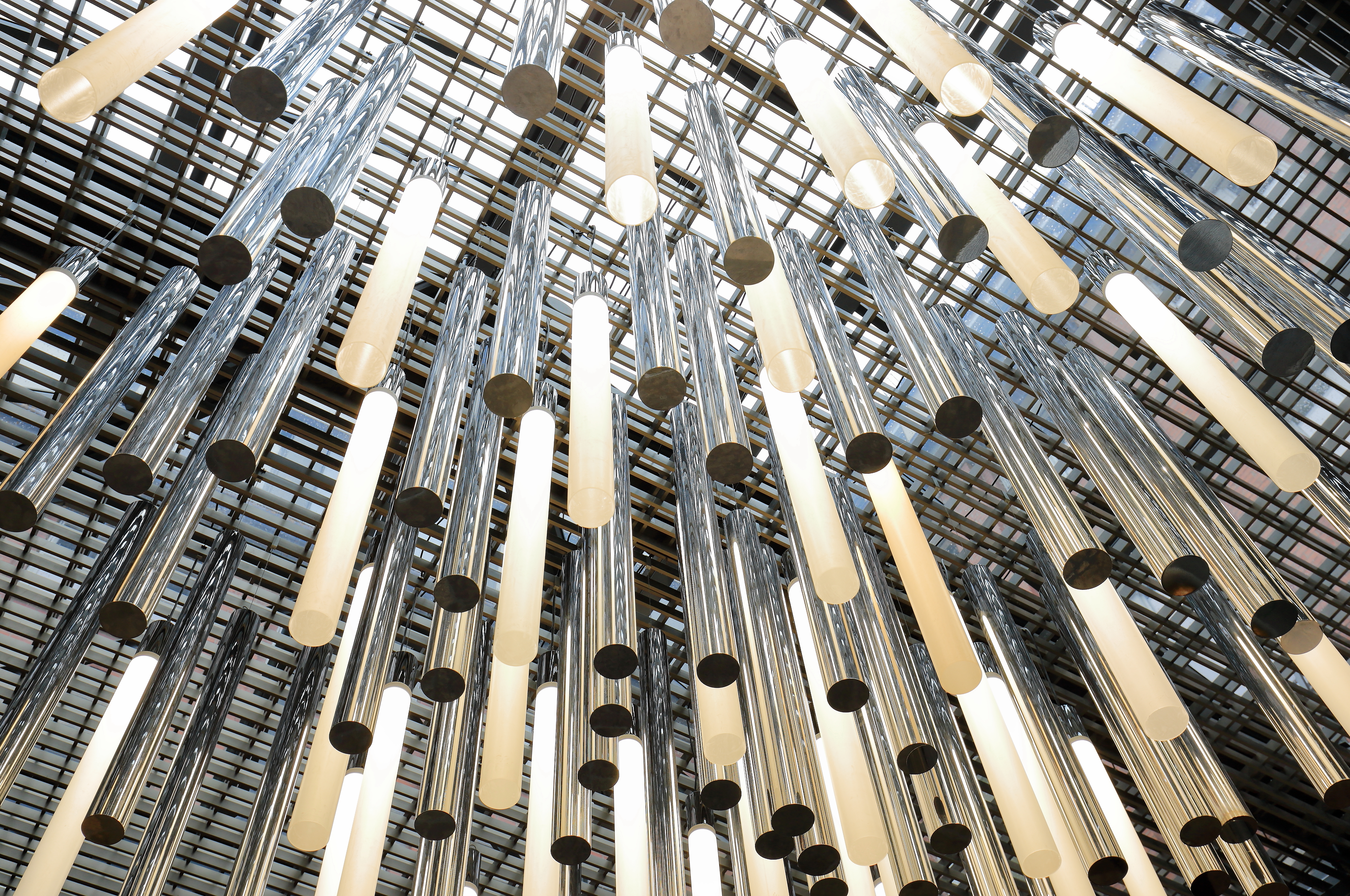
Ceiling fixtures give the ambient layer, but counters fall into shadow when someone stands at them. Under-cabinet strips solve this by lighting the work surface directly. Over an island, a row of pendants adds task light and a focal point. Because food preparation involves judging colour, a lamp with good colour rendering is worth choosing here.
Living room
This is the most flexible room and benefits most from layering. A central fixture or a few ceiling lights handle ambient light, a floor or table lamp beside a chair handles reading, and a small accent light can lift a bookshelf in the evening. Dimming the ambient layer at night while keeping a warm lamp on near the seating shifts the room from daytime to evening without rewiring anything.
Bedroom
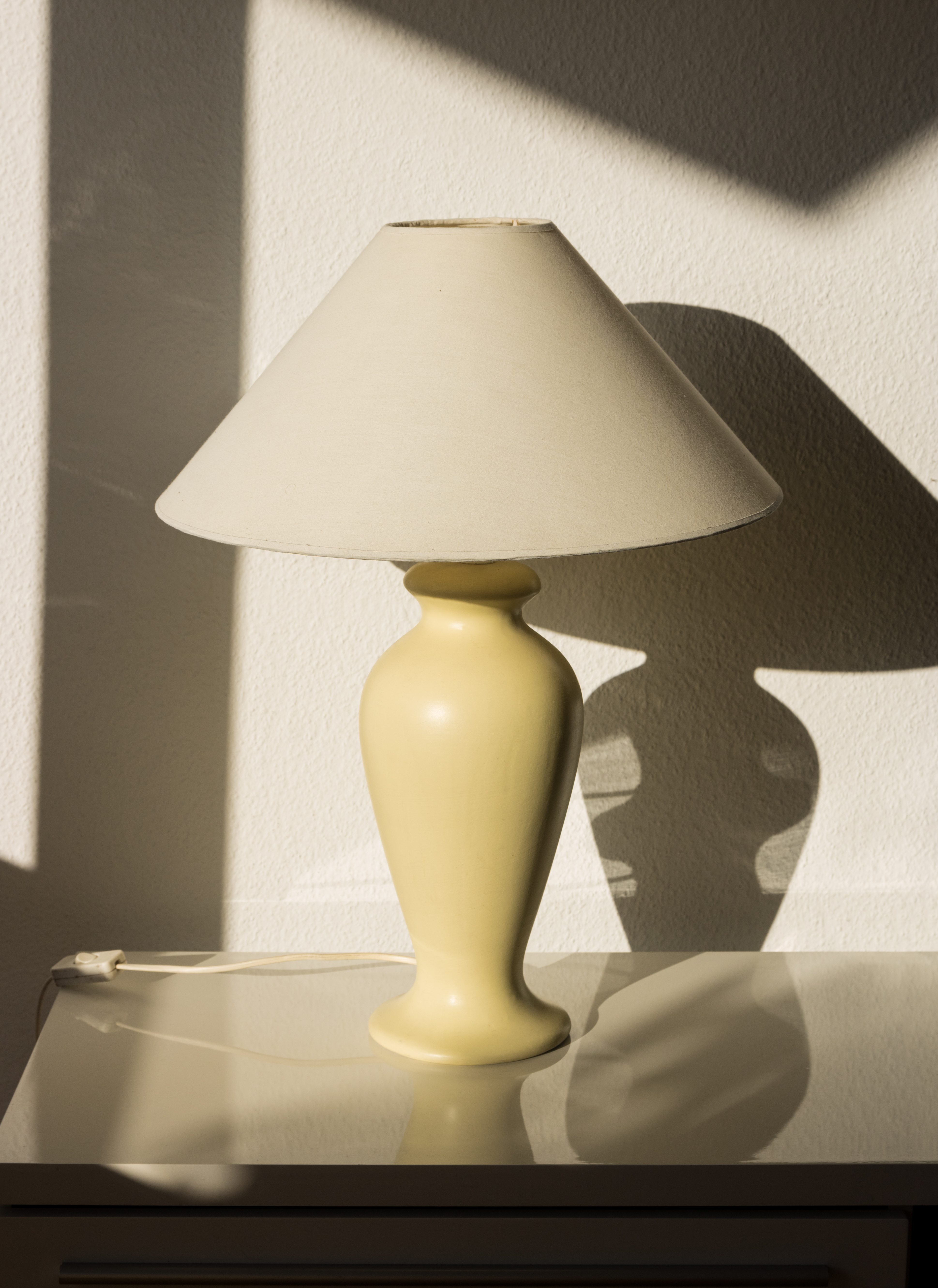
Bedrooms reward warm, low light in the evening. Bedside lamps that can be reached without getting up handle reading, while the ambient layer is kept dim. Warm colour temperatures suit this room; cooler light can feel clinical close to sleep.
Home office
A desk needs task light that does not throw glare onto a screen. An adjustable desk lamp positioned to the side of the working hand reduces shadows on paper. In Canadian winters, when natural daylight is short, a slightly cooler task lamp during working hours can help a workspace feel alert, while the rest of the home stays warm.